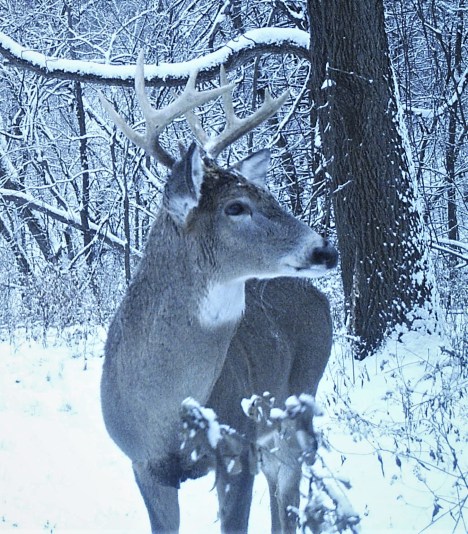
A heavy-beamed, eight-point, big-bodied, thick-necked whitetail buck had been making frequent appearances on my trailcams for two months. Now, he appeared 30 yards away, an easy shot with the rifle.
Hunting stories almost always end with the writer describing the limit of birds in the bag, the size of the antlers on the buck hanging from the pole, the 20-inch smallmouth bass in the net, or the incredible shot that toppled a coyote at four hundred yards. Let me assure you, it ain’t always that way.
All too often we return to camp at day’s end with an empty bird vest, a recollection of the deer’s flagging white tail as it disappeared over the hill, the parted leader and splash of an escaping fish, or an agonizing memory of the easy shot that we somehow missed. A day of hunting or fishing does not have to end with game in our possession to be a rewarding time. Three hours of sitting in a tree stand and quietly observing the flora and fauna of a North Country hardwood forest can be a calming and energizing experience even on the days we do not see a deer. But those gameless days do not make for “riveting copy,” as a newspaper publisher admonished me in my days as a reporter and editor.
The bag limit of birds, the whitetail buck with trophy antlers, the record bass, the amazing rifle shot – those make for riveting copy. But in truth, the day of hunting or fishing that ends in phenomenal success is the exception, not the rule. Maybe that is why we record our stories of those remarkable days, buff and polish them like brightly glazed beer steins, and set them on the shelf where we can see them shine during our darker hours. Maybe that’s why we display those symbols of the hunt that ignite a flash of the joy from days gone by: the antlers hung on the cabin wall, the fish mounted in the den, the pheasant tailfeathers placed in the vase atop the gun safe, the rifle cartridge case suspended in an acrylic block paperweight on the coffee table.
Continue reading →

 An early morning walk with birddogs in last week’s -5 degree weather made me painfully aware that we had moved into winter. This morning’s pre-sunrise walk with the grim hand of the thermometer on the deck pointing to the -30 degree mark? That made me think we had moved to a different planet.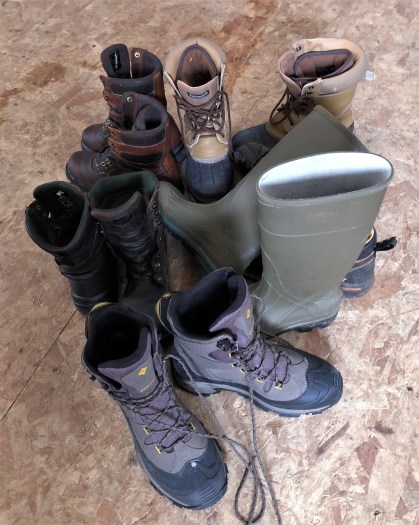

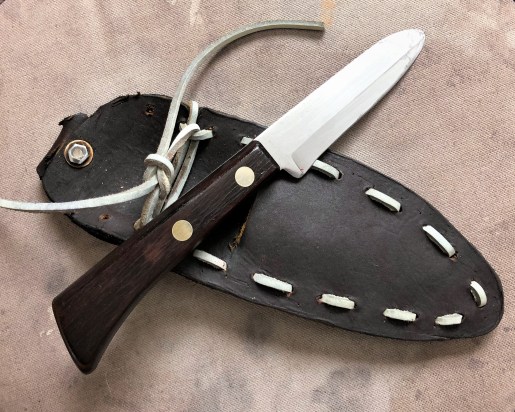 BLOODED. Not sure when or where I first heard that word applied to an item of hunting or fishing gear, but its meaning was clear. Blooded meant that the piece of gear in question — a rifle, shotgun, bow, knife, rod, hook, lure… — had been successfully used to take game.
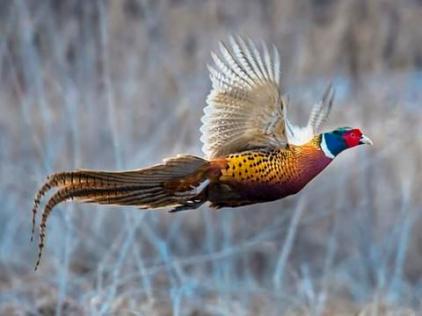
 A BRACE of game birds: plural, two wild birds of the same type that have been killed for sport or food; from the Middle English or Old French word brace (brah-say), meaning “arms” hence a pair; a sporting term that dates back to about the year 1400.


 Dispatches from a Northern Town